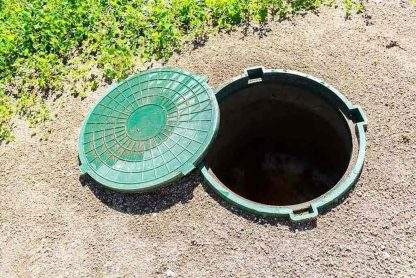
Your Septic Tank Smells: Causes and Solutions
A pungent odor emanating from your yard or home can be a sign of trouble with your septic system. While a mild, earthy smell is normal, a strong, foul odor indicates a problem that needs attention. Don't ignore the smell; addressing it promptly can prevent costly repairs and ensure your septic system functions efficiently.
Let's delve into the common culprits behind a smelly septic tank and explore effective solutions to eliminate the odor and restore your peace of mind.
Common Causes of Septic Tank Odor
Several factors can contribute to an unpleasant smell from your septic tank. Here are some of the most common culprits:
Overloading the System
When your septic system is overloaded, wastewater doesn't have enough time to decompose properly. This can result in a buildup of solids and a foul odor. Overloading can occur due to excessive water usage, such as frequent showers, multiple laundry loads, or a large gathering at your home.
Clogged Drainfield
The drainfield, responsible for filtering wastewater, can become clogged with debris, leading to backups and unpleasant odors. Common culprits include grease, hair, and excessive paper products entering the system.
Improper Septic Tank Maintenance
Neglecting routine septic tank maintenance can lead to various problems, including odor. Regular pumping removes accumulated sludge and scum, preventing backups and odors. Additionally, inspecting and cleaning the drainfield ensures proper drainage and eliminates odor-causing clogs.
Broken Septic Tank Components
Damage to the septic tank itself, like cracks or leaks in the lid, can allow foul-smelling gases to escape. Similarly, a broken or malfunctioning pump can disrupt the system's flow, leading to backups and odors.
Solutions to Eliminate Septic Tank Odor
Don't panic if you detect an unpleasant odor from your septic system. Here are several steps you can take to eliminate the odor and prevent it from recurring:
Reduce Water Usage
Conserving water reduces the load on your septic system. Simple changes like taking shorter showers, fixing leaks promptly, and washing clothes in full loads can significantly impact the system's efficiency and minimize odor.
Regular Maintenance
Schedule regular septic tank pumping to remove accumulated sludge and scum. The frequency depends on household size and usage, but typically ranges from every 3 to 5 years. Additionally, consider having the drainfield inspected and cleaned periodically to prevent clogs and odor.
Avoid Flushing Problematic Items
Avoid flushing items that can clog the septic system, including:
- Disposable wipes
- Paper towels
- Coffee grounds
- Grease and cooking oil
- Hair and other debris
Use Septic Tank Additives
Septic tank additives contain beneficial bacteria that break down organic waste, reducing sludge and odors. Choose products specifically designed for septic systems and follow the instructions carefully.
Professional Inspection and Repair
If you suspect a broken septic tank component or a more serious issue, don't hesitate to call a qualified septic system professional. They can diagnose the problem accurately and provide expert repair services to restore your septic system to its optimal working condition.
Preventative Measures
Preventing odors from your septic system is crucial. Here are some preventative measures you can take:
- Avoid overloading the system: Limit water usage, especially during peak times.
- Dispose of waste responsibly: Avoid flushing items that can harm the septic system.
- Regularly maintain your system: Schedule septic tank pumping and drainfield inspections at recommended intervals.
- Be vigilant about potential problems: Pay attention to any changes in your septic system, such as slow draining sinks, gurgling sounds, or unusual odors.
By following these tips, you can effectively eliminate unpleasant odors from your septic system and ensure its long-term functionality. Remember, taking preventative measures and addressing problems promptly will help avoid costly repairs and keep your septic system running smoothly.
0 comments:
Post a Comment
Note: Only a member of this blog may post a comment.