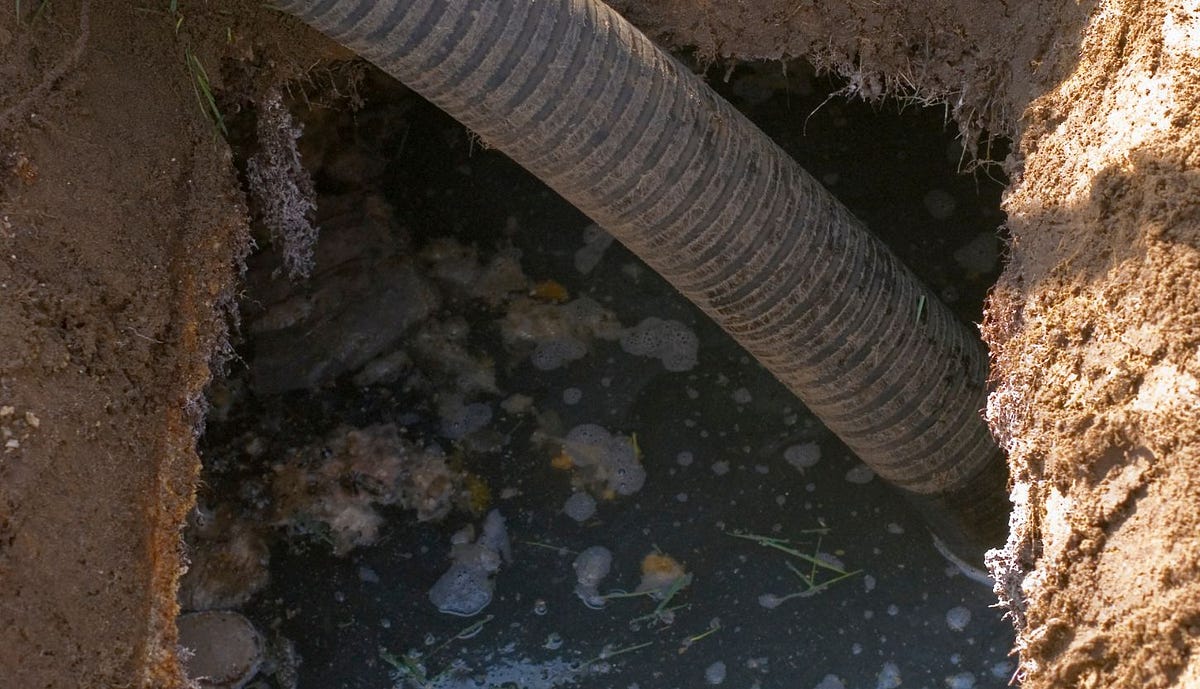
A strong odor emanating from your septic system is not only unpleasant but also a potential indicator of underlying issues within your plumbing. These odors, often characterized by a pungent, sewage-like smell, can arise from various sources within the septic tank system, from faulty pipes to improper maintenance. This comprehensive guide will equip you with the knowledge to identify the source of the odor, understand the possible causes, and effectively address the problem.
Identifying the Source of the Septic Tank Odor:
1. Pinpointing the Location: Carefully observe where the odor is most prominent. Does it seem to be concentrated near the bathroom, kitchen, or laundry area? This information helps determine the specific pipe segment involved.
2. Investigating the System: If the odor is localized to a specific fixture, check the drain traps for water levels. Empty traps can allow sewer gases to escape. Additionally, inspect the vent pipes for any blockages. Vent pipes are crucial for releasing gases from the system and should be free of obstructions.
3. Observing the Drain Field: A strong odor emanating from the drain field could indicate a problem with the system's capacity. Inspect the drain field area for signs of saturation, such as soggy soil or standing water.
Understanding the Causes of Septic Tank Pipe Odors:
1. Broken or Leaking Pipes: Damaged or cracked pipes allow sewer gases to escape into your living space. This is often accompanied by visible signs like water pooling around the affected pipe or a damp, musty smell.
2. Blocked or Clogged Pipes: A buildup of waste and debris in the pipes can restrict airflow and cause the pressure to build up, leading to a foul odor. This is more common in older systems or those lacking regular maintenance.
3. Faulty Vent Pipes: Properly functioning vent pipes are crucial for releasing gases from the septic system. Obstructions like bird nests, tree branches, or debris can lead to a buildup of pressure, resulting in an odor.
4. Improper Sloping: Pipes that are not sloped correctly can slow down the flow of wastewater, leading to a buildup of waste and a foul odor. This can occur due to settling of the soil or improper installation.
5. Septic Tank Overflow: A full septic tank can cause wastewater to back up into the pipes, leading to a strong odor. This is a serious issue that requires immediate attention.
6. Dry Septic Tank: A dry septic tank can experience a buildup of sulfur-containing gases, resulting in a putrid odor. This is typically resolved by adding water to the tank, although professional assessment is recommended.
Addressing the Septic Tank Odor:
1. Professional Plumbing Inspection: The first step in addressing any septic system issue is to contact a qualified plumber. They can inspect the system thoroughly, identify the root cause of the odor, and suggest the most effective solutions.
2. Pipe Repair or Replacement: Leaky or broken pipes require immediate repair or replacement. This can be a straightforward task or may involve excavation depending on the pipe's location.
3. Pipe Cleaning and Maintenance: Regular pipe cleaning and maintenance are crucial for preventing blockages. This can be done using a plumber's snake or a hydro jet to remove accumulated debris.
4. Vent Pipe Inspection and Cleaning: Inspect your vent pipes for blockages and clean them regularly. This can be done using a specialized brush or by calling a professional for specialized equipment.
5. Septic Tank Pumping: If your septic tank is full, it needs to be pumped. A professional will remove the accumulated sludge and solids, ensuring proper functioning and minimizing odors.
6. Drain Field Repair or Replacement: A failing drain field may need repair or replacement. This is a more complex process that requires professional expertise.
7. Improving Septic Tank Functionality: Ensure your septic system is operating efficiently by implementing preventive measures. Avoid flushing non-biodegradable items down the drain, use septic-safe detergents, and schedule regular maintenance.
Preventive Measures for Septic Tank Odor Control:
1. Regular Inspections: Have your septic tank inspected at least once a year to ensure it's operating efficiently.
2. Water Conservation: Minimizing water usage can help reduce the volume of wastewater entering your system, thus prolonging the time between pump outs.
3. Smart Waste Disposal: Avoid flushing items like wipes, feminine hygiene products, and grease down the drain, as these can cause blockages and contribute to odors.
4. Proper Laundry Detergent Selection: Use septic-safe laundry detergents, which break down more readily in the system and minimize the risk of buildup.
Safety Precautions:
Always work in a well-ventilated area when dealing with septic systems.
Wear protective clothing and gloves to avoid contact with wastewater.
If you are unsure about any step, consult a professional plumber.
Conclusion:
A strong odor from your septic tank pipes is a clear indication that your system needs attention. By understanding the possible causes and implementing the solutions outlined in this guide, you can effectively address the issue and ensure a healthy and odor-free home environment. Remember, regular maintenance and proactive measures are essential for preventing future problems and keeping your septic system functioning optimally. Consult a qualified plumber for any complex issues or when in doubt. Taking the necessary steps now will save you time, money, and a lot of unpleasant odors in the long run.
0 comments:
Post a Comment
Note: Only a member of this blog may post a comment.