Sniffing Out Septic Tank Trouble: A Guide to Detecting and Fixing Smells
Let's be honest, nobody wants their house smelling like a swamp. A septic system is a vital part of your home's plumbing, quietly and efficiently handling waste. But when things go wrong, you'll know it â€" usually through a rather unpleasant olfactory experience. This guide will walk you through how to check your septic tank for smell issues, so you can tackle the problem before it becomes a full-blown stinky situation (and a potential health hazard!).
Understanding Septic Tank Odors: What's Normal and What's Not?
Before you start panicking about a looming septic catastrophe, remember that a *very faint* smell of earthiness near the tank lid is sometimes normal. It's the natural byproduct of bacteria breaking down waste. Think of it as the "aroma" of decomposition, but at a very low concentration. This is usually not something to worry about. However, a strong, pungent, sewage-like smell is definitely a red flag.
The type of smell can also give you clues. A rotten egg smell (sulfur) often points to a problem with sulfate-reducing bacteria â€" usually a symptom of something else going wrong within the system. A really strong ammonia smell suggests that the waste isn't breaking down properly, likely due to overloading or malfunctioning bacteria.
Where to Check for Septic Odors
Don't just sniff around the tank lid (although that's a good starting point!). Smell issues can manifest in various areas, indicating different problems. A comprehensive sniff-test includes these locations:
The Septic Tank Lid
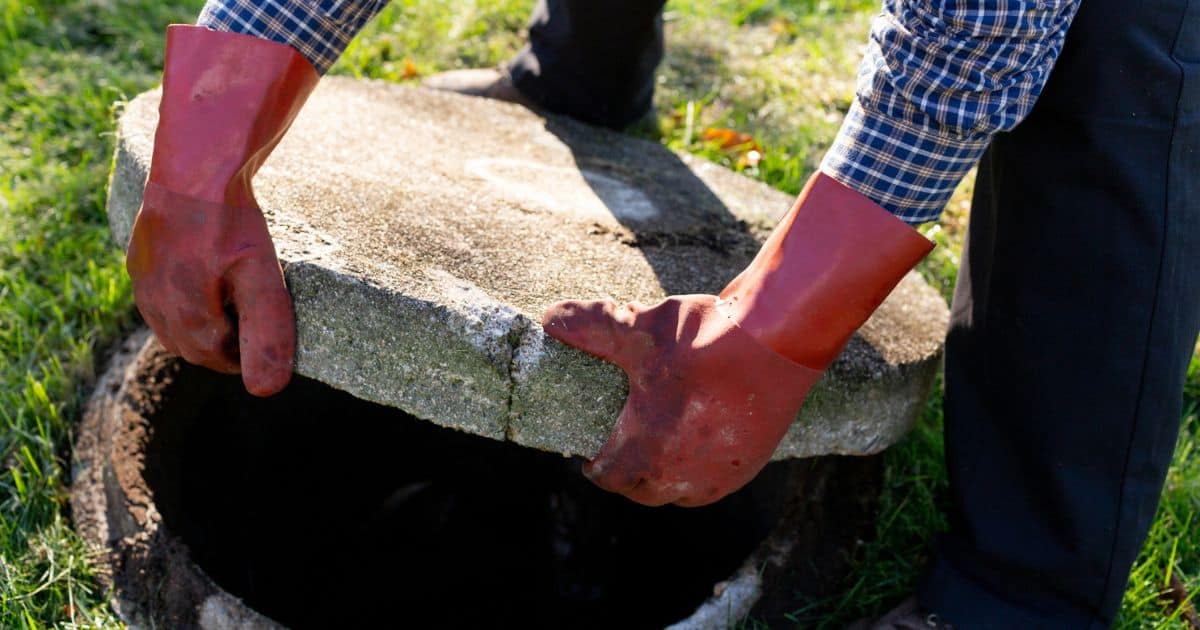
This is the most obvious place to start. Carefully remove the lid (use caution â€" it's heavy and can be dangerous if improperly handled). Sniff cautiously, holding your breath if the smell is overwhelming. A strong odor here might indicate a problem with the tank itself â€" maybe it's full, or there's a blockage.
Drain Fields (or Leach Fields)
This is where the treated wastewater from your tank disperses into the ground. If you can locate your drain field (it's usually a low-lying area of your yard, sometimes marked), check for any unusual smells emanating from the ground. A strong odor in this area could suggest a drain field failure, where the soil can no longer effectively filter the wastewater.
Inside Your Home
If you're noticing sewer smells coming from your drains (especially in the bathrooms or kitchen), this is a serious issue that indicates a backup in your plumbing system. The smell might be faint or strong, depending on the severity of the backup. This isn’t necessarily a septic tank problem but could be a plumbing issue causing sewage to back up into your home. This could be related to your septic tank if the tank is full or clogged.
Around Your Plumbing Fixtures
Pay attention to areas around toilets, showers, and sinks. If you detect foul odors near these fixtures, particularly when they're not in use, it could suggest a problem with the plumbing connections leading to your septic tank.
What to Do If You Detect a Smell
Once you've identified a smell, don't ignore it! The longer you wait, the worse the problem might become (and the more expensive it will likely be to fix). Here's a breakdown of your next steps:
Assess the Severity
Is it a slight earthy smell, or a full-blown sewage stench? A mild smell might not require immediate action, but a strong odor warrants prompt attention.
Identify the Source
As discussed above, pinpoint where the smell is strongest. This will help you narrow down the potential cause â€" the septic tank itself, the drain field, or your home's plumbing.
Take Action
Depending on the severity and location of the odor, your next steps might include:
- Calling a septic professional: This is the best course of action for most serious smell issues. They have the expertise and equipment to diagnose the problem and implement a solution.
- Checking the water level in your septic tank: If you're comfortable doing so (and know the location of your tank), you can check the water level to see if it's too high. This is often a sign that your tank needs pumping.
- Checking for clogs in your plumbing lines: If the smell is originating from inside your home, you might be able to resolve the issue with a plunger or drain cleaner. However, severe clogs may require professional plumbing help.
- Checking the septic tank lid: Make sure the lid is secure. A loose or improperly sealed lid can allow gases to escape.
Preventing Septic Tank Smell Issues
Prevention is always better than cure! Here are some steps you can take to minimize the risk of septic tank smells:
- Regular pumping: Have your septic tank pumped every 3-5 years (or more frequently if necessary, depending on your household size and water usage). This prevents it from overflowing.
- Avoid overloading your system: Be mindful of what you flush down your toilets and dispose of down your drains. Avoid excessive grease, oil, and other non-biodegradable materials.
- Regular inspection: Hire a septic professional for periodic inspections to identify any potential problems early on.
- Water usage: Avoid using too much water in a short time period. This prevents overloading the tank.
- Proper landscaping: Ensure proper landscaping around your drain field to prevent soil compaction and promote drainage.
Frequently Asked Questions
Q: How often should I pump my septic tank?
A: The frequency of septic tank pumping depends on several factors, including household size, water usage, and the size of your tank. Generally, pumping every 3-5 years is recommended, but a professional inspection can help determine the optimal schedule for your system.
Q: What causes a rotten egg smell from my septic system?
A: A rotten egg smell (sulfur) is often caused by sulfate-reducing bacteria. This is frequently associated with a larger problem within the system, such as low oxygen levels or improper functioning of the bacteria that break down waste.
Q: What should I do if I see sewage bubbling up in my yard?
A: This is a serious issue indicating a major problem with your septic system. Contact a septic professional immediately. Don't attempt to fix this yourself, as you risk further damage or injury.
Q: Can I use chemicals to treat my septic tank odors?
A: While some products claim to solve septic system smells, many can harm the beneficial bacteria essential for breaking down waste. It's best to avoid using harsh chemicals and instead address the underlying cause of the odor.
Q: How much does septic tank pumping cost?
A: The cost of septic tank pumping varies depending on your location, the size of your tank, and the company you hire. It's best to get quotes from multiple providers.
Dealing with septic tank smells can be unpleasant, but by understanding the potential causes and taking appropriate action, you can keep your home smelling fresh and your septic system functioning efficiently. Remember, prevention is key, and when in doubt, call a professional!