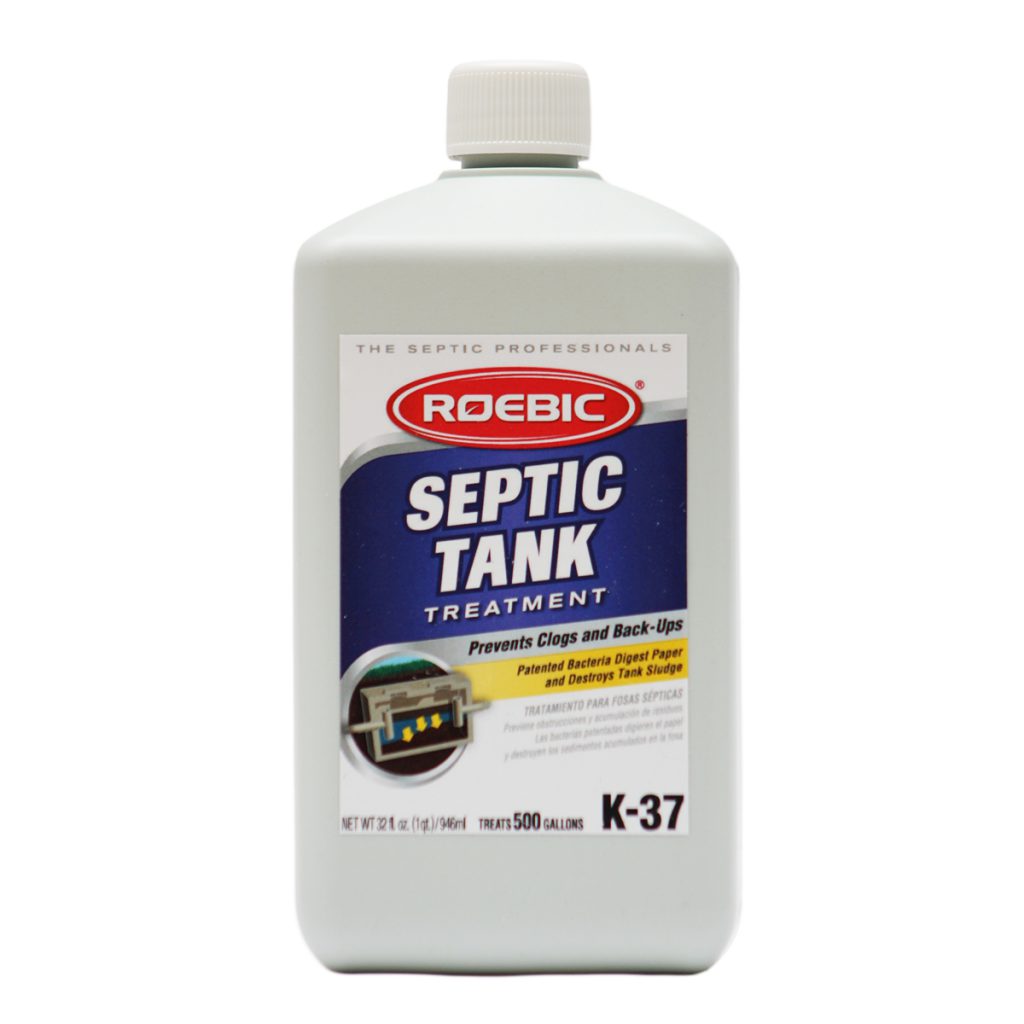
Septic Tank Odor Neutralizer Guide for Homeowners: Banishing Those Unpleasant Smells
Let's face it, nobody likes a smelly septic system. It's a common problem that can turn your home into an olfactory nightmare. But fear not, dear homeowner! You're not alone in this battle against unpleasant odors. This comprehensive guide will arm you with everything you need to know about septic tank odor neutralizers and how to conquer those unwelcome scents.
Understanding Septic Tank Odors: The Root of the Problem
To tackle the issue, we need to understand the source of the stench. Septic tank odors arise from the breakdown of organic matter within your system. Bacteria in the tank diligently decompose waste, but this process also produces hydrogen sulfide (H2S), the infamous culprit behind that rotten egg smell.
Here's a breakdown of the key culprits:
- Hydrogen Sulfide (H2S): This pungent gas is the main offender, contributing to the rotten egg smell. It's produced by bacteria during the breakdown of organic matter.
- Ammonia: This gas has a strong, pungent odor and is another byproduct of waste decomposition.
- Methane: While less odorous than the others, methane is still a flammable gas produced during the breakdown process.
These gases can escape your system through various avenues: vents, drain fields, and even cracks in your tank itself. But don't worry, we're about to equip you with the tools to fight back!
Types of Septic Tank Odor Neutralizers
Septic tank odor neutralizers come in various forms, each with its own strengths and weaknesses. Let's explore the most common types:
1. Enzyme-Based Neutralizers
These powerful solutions contain enzymes that break down organic matter and eliminate the sources of odor. They work by accelerating the natural decomposition process in your septic tank, reducing the amount of odor-producing compounds. They are often considered a more environmentally friendly option compared to chemical-based neutralizers.
2. Chemical Neutralizers
Chemical neutralizers work by masking or neutralizing odor-producing compounds. They often contain fragrances or chemicals that react with the odor molecules, making them less noticeable. While they offer a quick fix, it's important to use them sparingly, as some can harm the beneficial bacteria in your septic tank.
3. Bacterial Cultures
These solutions introduce beneficial bacteria to your septic tank, helping to break down waste more efficiently and reduce odor. They essentially boost the natural decomposition process, leading to a cleaner, less smelly system.
4. Septic Tank Tablets
Septic tank tablets offer a convenient way to maintain your system's health and reduce odors. They typically contain a blend of enzymes, bacteria, or chemicals that work to break down waste and neutralize odors. It's crucial to follow the instructions carefully for optimal results and avoid overusing the tablets.
Choosing the Right Septic Tank Odor Neutralizer
With so many options available, selecting the right septic tank odor neutralizer can feel overwhelming. Here's a guide to help you make the best choice for your situation:
- Severity of the Odor: For mild odors, enzyme-based neutralizers or bacterial cultures are often effective. However, if you're dealing with a particularly strong stench, a chemical neutralizer might be necessary in the short term. Remember, chemical neutralizers should only be used occasionally.
- Environmental Concerns: If you're environmentally conscious, enzyme-based neutralizers or bacterial cultures are generally preferred, as they are more eco-friendly than chemical solutions.
- Ease of Use: Septic tank tablets offer convenience as they're easy to use and readily available. Enzyme-based neutralizers and bacterial cultures may require more frequent application or specific instructions.
- Cost: Enzyme-based neutralizers and bacterial cultures are typically more expensive than chemical neutralizers. Tablets can offer a more affordable option, but their effectiveness can vary depending on the brand.
Remember, it's always a good idea to consult your septic system manual or a professional before introducing any new product into your tank.
Tips for Using Septic Tank Odor Neutralizers
To maximize the effectiveness of your septic tank odor neutralizer, follow these helpful tips:
- Follow Product Instructions: Each product will have its own specific instructions for application and dosage. Read the instructions carefully and follow them diligently. Overusing a product can be harmful to your septic system.
- Avoid Overloading: Avoid pouring large quantities of grease, oil, or other solids down your drains, as they can contribute to clogs and odors.
- Regular Maintenance: Routine septic tank maintenance is crucial for preventing odors. Regular inspections, pump outs, and proper care help keep your system running smoothly and smelling fresh.
- Address the Source: If you're dealing with persistent odors, it's important to address the underlying issue. A cracked tank or faulty drain field could be the culprit. Consult a professional if you suspect a problem with your system.
Natural Alternatives for Odor Control
For a more natural approach, consider these methods for tackling septic tank odors:
- Baking Soda: Sprinkle a cup of baking soda down the toilet or drains every few weeks. Baking soda helps neutralize odors and absorb moisture.
- Vinegar: Pour a cup of white vinegar down the drain and let it sit for an hour before flushing. Vinegar helps break down grease and grime, reducing odor-causing bacteria.
- Citrus Peels: Discard citrus peels down the drain to naturally freshen the smell. The citrus oil helps deodorize and add a pleasant aroma.
Preventing Septic Tank Odors: Best Practices
The best defense against unpleasant septic tank odors is a proactive approach to prevention. Here's a list of practical tips to keep your system smelling fresh and functioning efficiently:
- Avoid Flushing Unnecessary Items: Keep items like wipes, paper towels, and feminine hygiene products out of your septic system. These items don't break down properly and can contribute to clogs and odors.
- Limit Grease and Oil: Pour grease and oil into a container and dispose of it properly. Avoid pouring them down the drain, as they can solidify and cause blockages.
- Use Laundry Detergent Sparingly: Excessive laundry detergent can overload your septic system. Opt for low-phosphate detergents and use them sparingly.
- Flush Regularly: Flush your toilets regularly, especially if you notice a buildup of water in the tank. This helps keep the system flowing properly and prevents odor buildup.
- Water Conservation: Conserve water by taking shorter showers, fixing leaks, and using low-flow showerheads and toilets. This helps ensure your septic system receives enough water to flush properly.
- Regular Inspections and Maintenance: Regularly inspect your septic tank for any signs of problems. Have your tank pumped out every 3-5 years, or more often if necessary, to prevent backups and odors.
By incorporating these tips into your daily routines, you can significantly reduce the chances of experiencing those unpleasant septic tank odors.
When to Call a Professional
While many odor issues can be addressed with simple solutions, it's crucial to call a professional septic system technician if:
- You Notice Persistent Odors: If you're unable to eliminate persistent odors with home remedies or commercial products, it's time to call a professional. They can diagnose the source of the problem and recommend the appropriate solution.
- You Experience a Septic System Backup: If you experience a backup in your plumbing system, it's essential to contact a professional immediately. This could indicate a serious problem with your septic tank or drain field.
- You're Unsure About Your Septic System: If you're unsure about your septic system's age, condition, or how to properly maintain it, a professional can provide guidance and ensure your system operates efficiently and safely.
Remember, addressing septic tank odor issues promptly can save you time, money, and a lot of unpleasant smells.
With a little knowledge and effort, you can enjoy a clean, odor-free home and keep your septic system running smoothly for years to come.
0 comments:
Post a Comment
Note: Only a member of this blog may post a comment.