Septic Tank Smells: A Guide to Banishing the Stink
Let’s face it, no one wants to deal with a smelly septic system. That foul odor wafting around your yard is not only unpleasant, but it can also be a sign of a bigger problem. But fear not, because you’re not alone in this battle! We're about to dive into the world of septic tank smells and equip you with the knowledge to conquer that pungent intruder.
First, we’ll break down the root causes of septic tank odors. We'll also outline some DIY fixes that can help you tackle the problem head-on. Lastly, we’ll discuss when it’s time to call in the professionals.
The Culprit: What’s Causing the Septic Tank Smell?
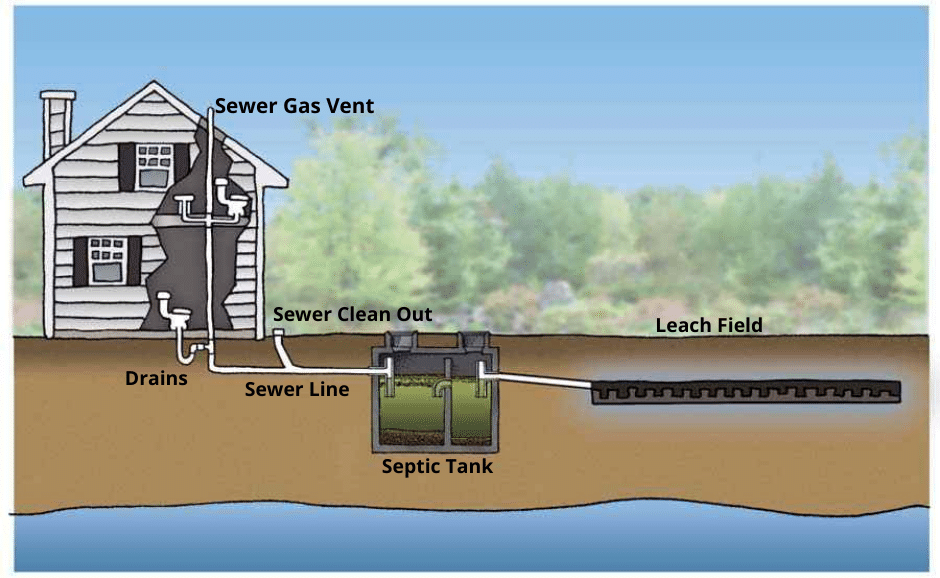
Imagine your septic system as a mini ecosystem, working hard to break down waste. When it's functioning smoothly, there shouldn't be any noticeable odors. But when things get out of whack, that’s when the stench makes its presence known.
1. The Tank Is Full
Think of your septic tank as a bucket. When it gets too full, things start to overflow, which can lead to a nasty odor. This happens because the solids in the tank, like toilet paper and food waste, aren't decomposing fast enough.
2. The Drain Field Is Clogged
The drain field, which is the area where the treated wastewater from your septic tank is released into the ground, can get clogged with debris. This can prevent the wastewater from draining properly, leading to a backup in the system and that dreaded smell.
3. Cracks or Leaks
If there are cracks or leaks in your septic tank or the pipes connecting to it, that wastewater can seep out into the surrounding soil, creating a foul odor.
4. Overuse and Excess Waste
Too much water or waste going into the system can overwhelm its capacity, causing a backup and a resulting odor. This could be caused by factors like a leaky faucet, a malfunctioning toilet, or excessive use of water-based cleaning products.
DIY Septic System Smell Solutions
Now that you understand the potential culprits, let’s tackle those smelly situations. Here are some tried-and-true DIY methods you can try:
1. Give Your System a Break
Limit your water usage for a few days, especially when it comes to activities that produce a lot of wastewater, like doing laundry or taking long showers. This can give your septic system a chance to catch up.
2. The Power of Baking Soda and Vinegar
Pour a cup of baking soda down your toilet bowl, followed by a cup of vinegar. Let it fizz for a few minutes, then flush. This simple trick can help break down waste and neutralize odors.
3. The Magic of Enzyme Treatment
Enzyme treatments are readily available at most hardware stores. These products contain beneficial bacteria that help break down the solids in your septic tank and reduce odor. Add a dose as directed on the package.
4. Cover Up That Smell
If you can’t tackle the source of the odor immediately, use air fresheners or odor neutralizers to mask the smell temporarily. Just remember, this is a temporary fix and won’t address the underlying issue.
5. Keep It Clean and Green
Avoid dumping things down your drains that could harm your septic system. This includes fats, oils, and grease from cooking, as well as harmful chemicals like bleach and paint. Think about the environment, too! Opt for biodegradable cleaning products and avoid using disposable wipes, which can clog the system.
6. Don’t Forget the Drain Field
Keep your drain field free of obstructions like trees, shrubs, or cars. The area needs to be able to breathe to prevent backups and odors.
When To Call in the Professionals
While DIY solutions can be helpful for minor issues, there are times when you need to call in the professionals. Here are some warning signs:
- Persistent and Strong Odor: If the smell doesn't go away even after trying the DIY solutions, it’s time to call a plumber or septic tank specialist.
- Slow Drains: If your drains are slow or backing up, it could be a sign of a blockage or a failing septic system.
- Gurgling Sounds: Gurgling sounds coming from your pipes are often a sign of a problem with your septic system.
- Wet Spots or Soggy Areas: These are potential signs of leaks or overflows in your septic system.
- Visible Sludge or Wastewater: If you see sludge or wastewater coming up around the lid of your septic tank, it’s a clear indication of a major problem.
Preventing Septic Tank Smells
You’ve dealt with the stench, but now you want to prevent it from returning! Here's how to keep your septic system happy and odor-free:
- Regular Inspections: Schedule regular inspections for your septic tank, usually every 3-5 years. A qualified professional can assess the system's health and identify any potential problems early on.
- Pumping: Your septic tank needs to be pumped out every 3-5 years to remove the accumulated solids and keep it functioning properly.
- Proper Wastewater Management: Be mindful of your water usage and avoid overloading the system.
- Maintain Your Drain Field: Keep the area around the drain field free of obstructions.
Wrapping It Up
You’ve got the knowledge, the tools, and the know-how to conquer those pesky septic tank smells! Whether it’s a simple DIY fix or a professional service, remember that taking care of your septic system is crucial for a happy, healthy, and odor-free home.
0 comments:
Post a Comment
Note: Only a member of this blog may post a comment.