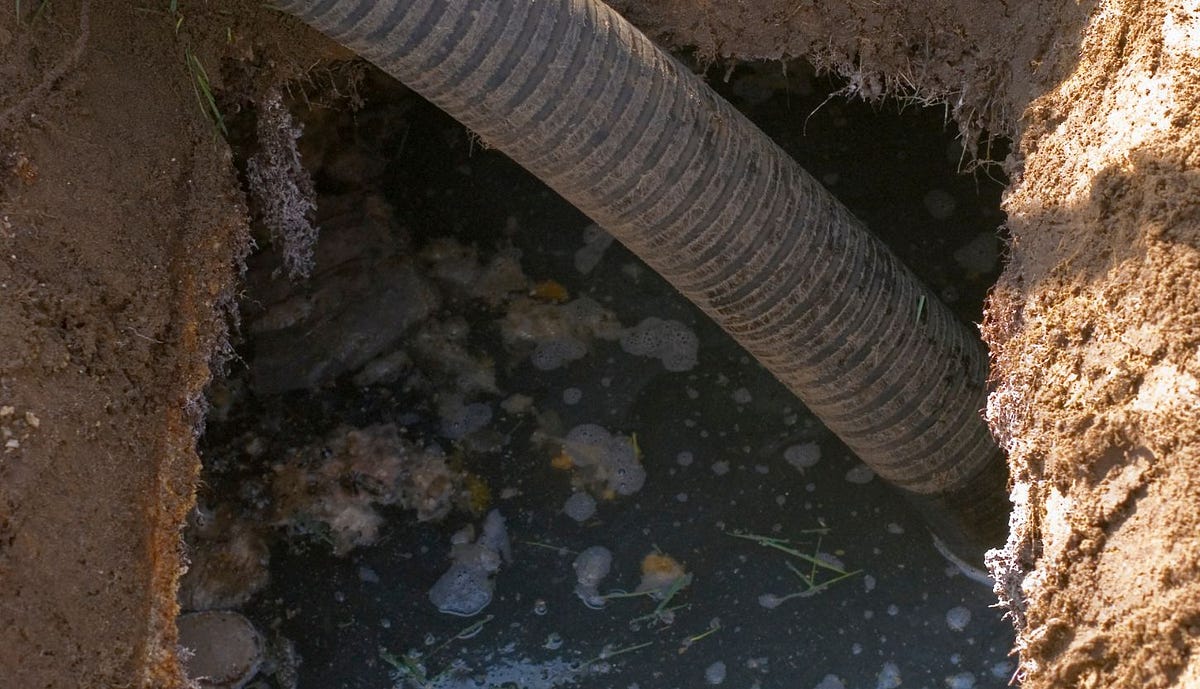
Septic Odor in Your Yard: What’s the Stink and How to Fix It
Walking out to your backyard and getting hit with a wave of that unmistakable sewage smell? Ugh, it's not exactly the welcoming aroma you want. Don’t worry, you’re not alone! A septic odor in your yard is a common problem, and while it can be a bit of a stinker (pun intended), it's usually a fixable situation.
Let’s dive into the causes of this unwanted fragrance and figure out how to get rid of it, making your backyard a place you can truly enjoy again.
The Culprits Behind the Smell
A septic odor is a clear sign that something isn’t right with your septic system. Here are some common suspects:
1. Leaking Septic Tank
This is one of the most common causes of septic odor. If your septic tank is cracked, corroded, or simply getting old, it can leak wastewater, causing that pungent smell to seep into your yard.
2. Overflowing Septic Tank
If your septic tank is full, there’s nowhere for the wastewater to go, and it starts to back up. This can cause an overflow, pushing sewage out into your yard.
3. Leaking Drainfield
The drainfield is the part of your septic system where wastewater is filtered and released back into the ground. If there’s a leak in the drainfield, untreated wastewater can seep out, leading to that familiar stench.
4. Poorly Maintained System
A septic system needs regular maintenance, like pumping out the tank every few years. If you haven’t been keeping up with this crucial task, you might be dealing with a buildup of solids in the tank, which can lead to backups and odors.
5. Clogged Pipes
Grease, hair, and other debris can clog your plumbing pipes, creating a backup that can send wastewater flowing into your yard, bringing that unwanted smell along with it.
Troubleshooting the Smell
Now that you know what could be causing the odor, let’s get down to some troubleshooting. Here's a step-by-step approach to figuring out the culprit:
1. Identify the Source
First, try to pinpoint exactly where the smell is strongest. Is it near your septic tank, around the drainfield, or closer to your house? This can give you a good starting point for your investigation.
2. Inspect the Tank
If the smell is strongest near the septic tank, check to see if the lid is securely fastened. If it’s loose, the odor could be escaping there. You can also look for cracks or leaks in the tank itself.3. Look for Signs of Overflow
If you see signs of standing water or soggy ground near the tank, it’s a strong indication that the tank is overflowing.
4. Check the Drainfield Area
Look for signs of soggy or sunken ground near the drainfield. This can point to a leaking drainfield.
5. Rule Out Plumbing Issues
If the smell seems to be emanating from inside your house, you might have a clogged drain or pipe. Check your sinks, tubs, and toilets for signs of slow drainage.
Fixing the Septic Odor
Once you’ve identified the source of the problem, it’s time to get to work on fixing it. Here’s a breakdown of common solutions:
1. Pumping the Tank
This is essential for keeping your septic system running smoothly. If your tank is full, a professional can pump it out, removing the excess solids and sludge.
2. Repairing or Replacing the Tank
If your tank is cracked or corroded, you’ll need to get it repaired or replaced. A professional septic contractor can assess the damage and recommend the best course of action.
3. Repairing the Drainfield
If your drainfield is leaking, it may need to be repaired or replaced. Again, a septic specialist can diagnose the issue and recommend the necessary repairs.
4. Unclogging Pipes
For clogged pipes, you can try using a plunger or a drain snake to remove the blockage. If that doesn’t work, you might need to call a plumber.
5. Preventative Measures
Here are some tips to help prevent septic odor in the future:
- Pump your septic tank regularly, every 3-5 years, depending on your usage.
- Avoid flushing anything other than toilet paper down the toilet. This includes things like wipes, paper towels, and feminine hygiene products.
- Limit the amount of grease you pour down your drains.
- Use biodegradable detergents and cleaning products.
- Water your lawn regularly, as this can help keep the soil moist and allow the drainfield to function properly.
When to Call a Professional
While some basic troubleshooting and maintenance can be done yourself, it’s essential to call a professional septic contractor in these situations:
- If you suspect a leak in your septic tank or drainfield.
- If you need your septic tank pumped.
- If your septic system needs repair or replacement.
- If you’re unsure about the source of the odor or how to fix it.
Remember, a professional can diagnose the problem accurately and ensure that the repairs are done correctly.
Living Odor-Free
Dealing with a septic odor is never fun, but by understanding the causes and taking the right steps, you can get rid of that unwanted fragrance and keep your septic system working efficiently for years to come. Just remember to keep your septic system well-maintained and you’ll be smelling the roses, not sewage, in your backyard.
0 comments:
Post a Comment
Note: Only a member of this blog may post a comment.