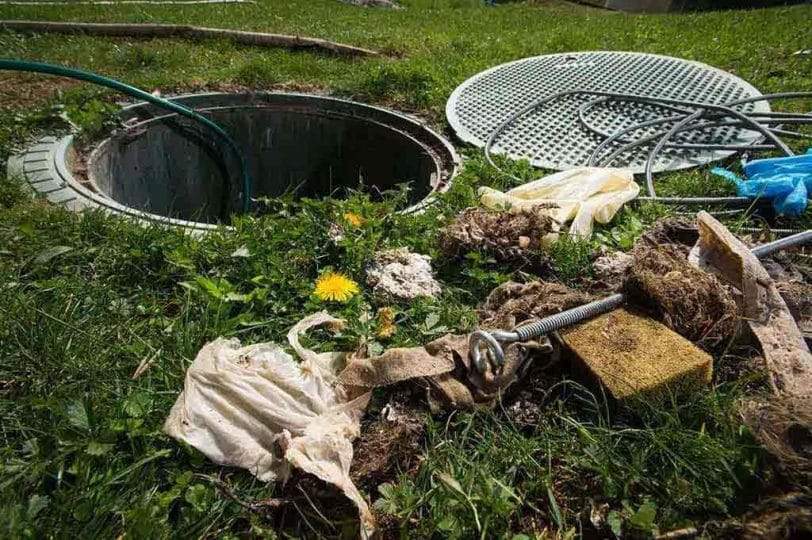
The presence of unpleasant odors emanating from a septic system is a common and often frustrating issue. While the septic tank itself is typically the source of odor, inadequate drainage systems can significantly exacerbate the problem. Poor drainage can lead to a build-up of wastewater, creating a breeding ground for bacteria and releasing foul smells. This article will delve into the intricacies of septic tank odors stemming from drainage problems, exploring the underlying causes and providing practical solutions to effectively eliminate the issue.
Understanding the Interplay of Drainage and Septic Tank Odors
Septic systems are designed to treat wastewater through a series of biological processes. Bacteria in the tank break down organic matter, converting it into sludge and effluent. The effluent is then discharged into a leach field, where it filters through the soil and eventually dissipates. A well-functioning system maintains a delicate balance, preventing odors from escaping into the surrounding environment.
However, when drainage problems arise, this balance is disrupted. Here's how inadequate drainage can contribute to septic tank odors:
Water Back-up and Overflow: Poor drainage can lead to water backing up into the septic tank, exceeding its capacity. This can cause sewage to overflow, releasing pungent odors.
Reduced Leach Field Efficiency: Inadequate drainage can impede the proper functioning of the leach field. If water cannot drain efficiently, it can saturate the soil, hindering the filtration process. This can lead to a build-up of wastewater in the leach field, creating an environment conducive to odor production.
Increased Pressure on the Septic System: Poor drainage can increase pressure on the septic system, forcing wastewater to flow back into the house through plumbing fixtures. This can result in the release of sewage odors into living spaces.
Common Drainage Problems Contributing to Septic Odors
Various drainage issues can contribute to septic tank odors. Identifying the specific problem is crucial for implementing effective solutions. Common culprits include:
Clogged Gutters and Downspouts: Gutters and downspouts play a vital role in diverting rainwater away from the house and septic system. Clogged gutters allow water to overflow, potentially flooding the leach field and saturating the surrounding soil.
Inadequate Grading: Proper grading ensures rainwater flows away from the house and septic system. If the ground slopes towards the house or septic tank, water can collect around these areas, contributing to odor problems.
Damaged or Blocked Drainpipes: Cracked or broken drainpipes can allow sewage to seep into the surrounding soil, releasing odors. Blocked drainpipes can restrict wastewater flow, increasing pressure on the septic system and leading to backflow and odor.
Insufficient Leach Field Size: A leach field that is too small for the volume of wastewater produced can lead to saturation and odor issues.
Tree Roots Intrusion: Tree roots can grow into drainpipes and leach field lines, obstructing wastewater flow and causing backflow.
Improper Installation of Septic System: Incorrect installation of the septic tank, leach field, or drainage system can lead to drainage problems and odor issues.
Solutions for Eliminating Septic Tank Odors from Drainage Issues
Once the root cause of the drainage problem is identified, appropriate solutions can be implemented to eliminate odors. These solutions can range from simple maintenance tasks to more complex repairs and upgrades.
Regular Gutter Cleaning: Ensure gutters and downspouts are regularly cleaned to prevent clogs and ensure proper water diversion.
Grading Correction: Correct inadequate grading by adjusting the slope of the land to ensure water flows away from the house and septic system.
Drainpipe Repair or Replacement: Damaged or blocked drainpipes should be repaired or replaced promptly.
Leach Field Evaluation and Enhancement: Consider evaluating the size and functionality of the leach field. If it is undersized or malfunctioning, professional consultation is recommended for potential enhancements or upgrades.
Tree Root Removal: Remove tree roots encroaching on drainpipes or leach field lines to restore proper drainage.
Septic System Inspection and Maintenance: Schedule regular inspections of the septic system by a qualified professional. Maintenance tasks such as pumping the tank and checking for leaks can prevent future issues.
Consider a French Drain: A French drain can be installed to collect and divert rainwater away from the septic system, preventing saturation and odor problems.
Invest in a Septic System Deodorizer: Septic system deodorizers can neutralize foul smells and mask odors. However, it's important to note that these are temporary solutions and do not address underlying drainage issues.
Conclusion
While septic tanks are designed to treat wastewater, poor drainage systems can significantly contribute to unpleasant odors. By understanding the underlying causes of drainage problems and implementing appropriate solutions, homeowners can effectively mitigate septic tank odors and maintain a comfortable living environment. Regular maintenance, proper grading, and addressing specific drainage issues are essential steps to prevent future odor problems. Consulting a professional is often advisable to ensure proper diagnosis and effective solutions for long-term septic system health.
0 comments:
Post a Comment
Note: Only a member of this blog may post a comment.